
Redefining Leadership Trends for 2026 The Shift Towards Identity-Led Leaders
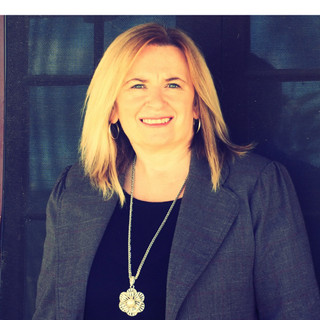
We are entering a time when leadership is changing rapidly. The traditional ways of leading, relying on titles, hierarchy, and polished presentations, still matter but no longer guarantee trust or influence. Today, leaders who know themselves deeply and stand firm in uncertainty are gaining ground. This blog explores the key trends that our founder, Dr Clare Allen, sees shaping leadership in 2026 and beyond, focusing on the rise of identity, led leadership and what it means for leaders and organisations.

The Rise of Individual Brands
For many years, senior leaders could operate behind the company logo, letting the organization’s brand speak for itself. That approach no longer works. People want to connect with the person leading them, not just the company name.
Employees want to trust the person making decisions.
Customers want to see values in action, not just marketing slogans.
Communities expect accountability from real people, not faceless entities.
In a world flooded with messages, leaders who are visible, clear, and authentic stand out. This visibility is not about becoming an influencer or chasing popularity. It’s about building trust through consistent communication and showing a clear point of view.
What This Means for Leaders
Your personal reputation is now part of your organization’s success.
Presence and credibility come from consistency, not perfection.
Leaders who clearly express what they stand for and live those values will inspire loyalty and trust.
For example, a CEO who regularly shares insights about company values and openly discusses challenges builds stronger connections than one who hides behind press releases. This transparency creates a sense of reliability and steadiness.
Moving From Commodity to Identity
Since the industrial age, work has often been treated like a commodity: interchangeable and replaceable. But automation and technology are changing that. The tasks people do can be automated, and skills can be learned quickly. What machines cannot replace is a person’s identity—their values, self-trust, and ability to lead themselves.
This shift means that identity becomes the key differentiator in the workplace. Leaders who understand who they are and what they stand for will navigate change better and inspire others to do the same.
Why Identity Matters More Than Ever
Automation reduces the value of routine skills.
People want to work with leaders who have a clear sense of purpose.
Organizations benefit when leaders bring their whole selves to work.
Consider a leader who faces a crisis. Their ability to stay calm, make decisions aligned with their values, and communicate honestly will determine how well their team responds. This inner steadiness comes from strong identity work.
Leading Through Uncertainty
The future is unpredictable. Economic shifts, technological advances, and social changes create constant uncertainty. Leaders who rely solely on past experience or rigid structures struggle in this environment.
Identity-led leaders, by contrast, use their self-awareness as an anchor. They:
Stay steady when situations change quickly.
Make decisions based on core values, not just data.
Inspire confidence by being authentic and transparent.
This approach builds resilience in teams and organizations. When leaders show they can handle uncertainty with clarity and calm, others follow.
Building Identity-Led Leadership in Your Organization
Organizations can support this new leadership style by:
Encouraging leaders to reflect on their values and purpose.
Creating safe spaces for honest conversations.
Recognizing and rewarding authenticity and consistency.
Providing training that focuses on self-awareness and emotional intelligence.
For example, companies that invest in leadership development programs centered on identity see stronger engagement and better decision-making.
What This Means for Organizations
Leadership is no longer just about hierarchy or credentials.
Organizations must value and promote leaders who bring their full identity to work.
Trust and influence come from authenticity, not just authority.
This shift requires a cultural change. Organizations that adapt will attract and retain talent, build stronger customer relationships, and navigate future challenges more effectively.
Leadership in 2026 and beyond is about knowing who you are and leading from that place. The rise of individual brands and the move from commodity to identity show that leadership is becoming more personal and human. Leaders who embrace this change will build trust, inspire loyalty, and guide their organisations through uncertainty with confidence.
(C) Mind of Increase
Explore, how we can help you ride the rapids of change together.


Comments